How an airport changed the rhythm of local travel
Every shuttle departure from BGY reflects decades of aviation growth, regional mobility planning and everyday adaptation.
Table of Contents
Before low-cost aviation: regional mobility roots
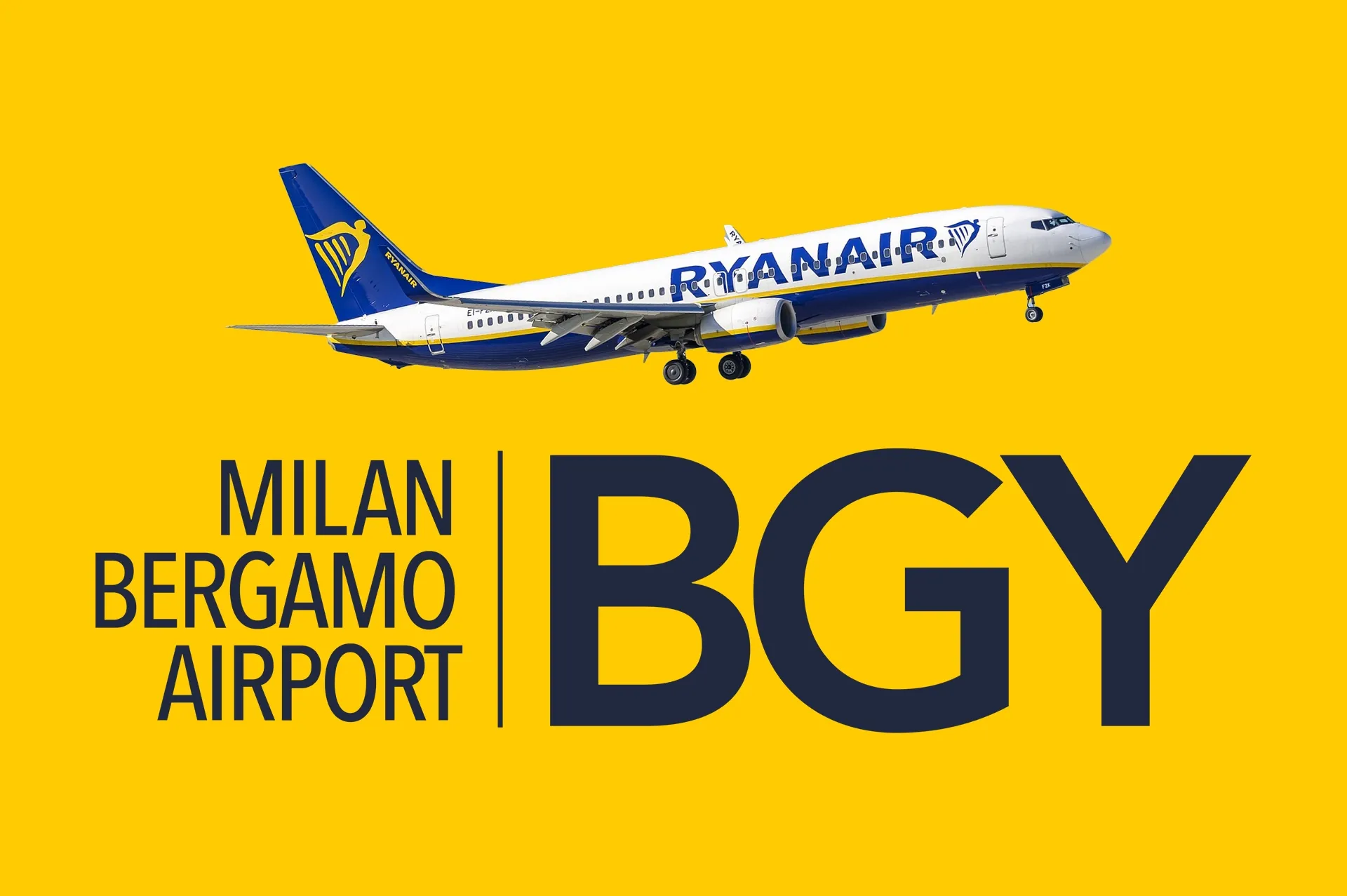
Long before Orio al Serio became a major name on European booking screens, mobility in this part of Lombardy revolved around rail links, local roads and practical regional trade routes. Bergamo and surrounding towns developed as connected but distinct economic spaces, with commuters, students and business travelers relying on layered combinations of buses and trains. Travel was functional, sometimes fragmented, and often shaped by timetables that did not always align perfectly with long-distance needs.
As air travel expanded across Europe, this pre-existing transport fabric became the foundation for future airport transfer systems. What looks straightforward today, board shuttle and reach city center, is actually the result of decades of adaptation. Municipal planning, private operators and passenger behavior slowly converged around a simple reality: an airport can only thrive when ground transport keeps pace with the speed of flight.
The rise of Orio al Serio as a major gateway
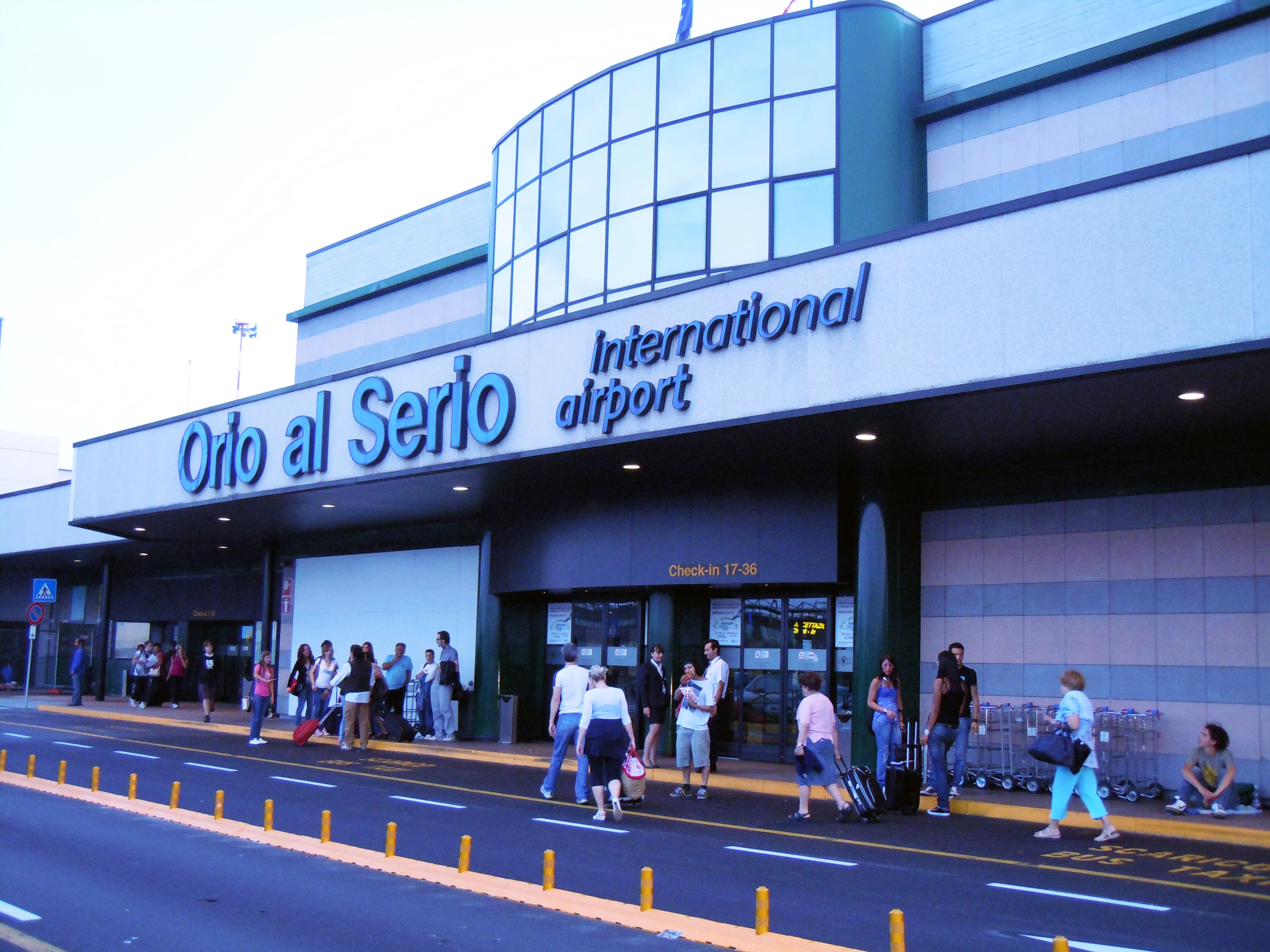
Orio al Serio grew quickly as low-cost carriers expanded and northern Italy became even more attractive for tourism, manufacturing and international business. The airport's strategic location near Bergamo and within easy reach of Milan gave it a powerful dual identity: regional airport in geography, major international gateway in function. Passenger numbers rose, route maps widened, and traveler profiles diversified from weekend tourists to remote workers, students and frequent business flyers.
With this growth came pressure on landside operations. Arrivals halls became busier, curb spaces tighter, and transfer expectations higher. Travelers no longer accepted vague directions or uncertain onward options. They wanted clear routes, digital booking, transparent pricing and dependable departure cadence. That demand, repeated millions of times, accelerated the modernization of shuttle and transfer services around BGY.
How early airport coaches shaped travel habits
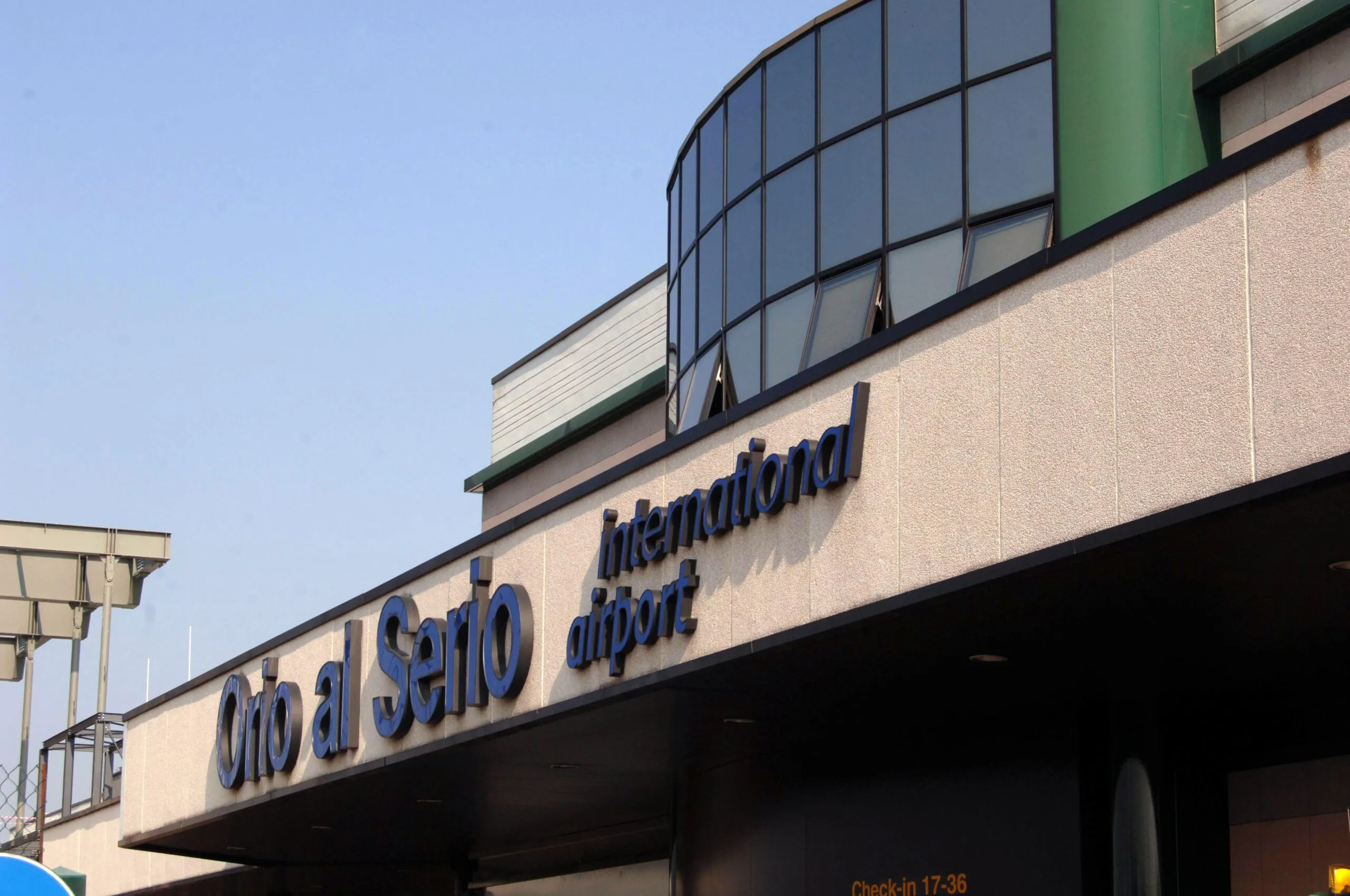
The first widely adopted airport coach links were more than simple buses; they became behavioral anchors for how people planned flights. Knowing that a reliable coach would connect airport and city center made certain departure times feasible and opened the airport to travelers who did not drive. This changed trip planning patterns, especially for students and budget-conscious passengers who valued predictable cost over private convenience.
Over time, operators refined schedules around flight waves, improved luggage handling and standardized boarding points. These practical details matter. A transfer is often the very first and very last chapter of a journey, and even small frictions can color the whole travel experience. The more consistent the coach service became, the more Orio al Serio felt accessible and easy to use, even for first-time arrivals.
Bergamo station as the key transfer hinge
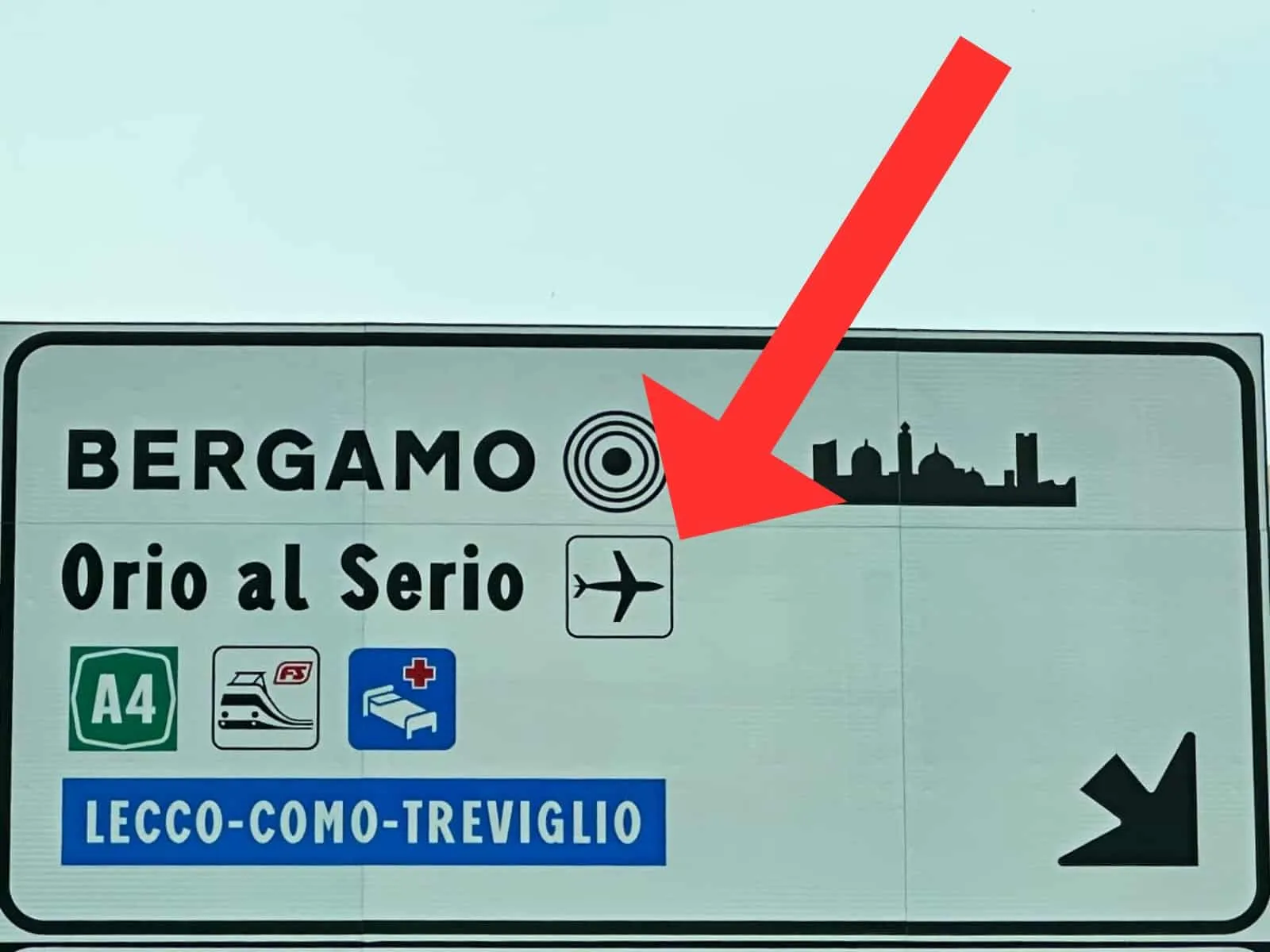
Bergamo station emerged as a strategic hinge in the airport mobility ecosystem. For many travelers, the airport-to-station shuttle is not the final ride but the critical first leg that unlocks the rest of the Italian rail network. From this node, passengers can continue efficiently toward Milan, Brescia, Verona and other destinations, often with short transfer times when schedules align well.
This intermodal logic has practical advantages. Instead of forcing all demand into direct long-distance coach services, the system distributes passengers through a flexible network. It allows operators to maintain high-frequency short links while rail handles broader dispersion. The result is a transport chain that can absorb fluctuations better, provided travelers understand how to sequence tickets and timing.
The Milan connection and demand acceleration
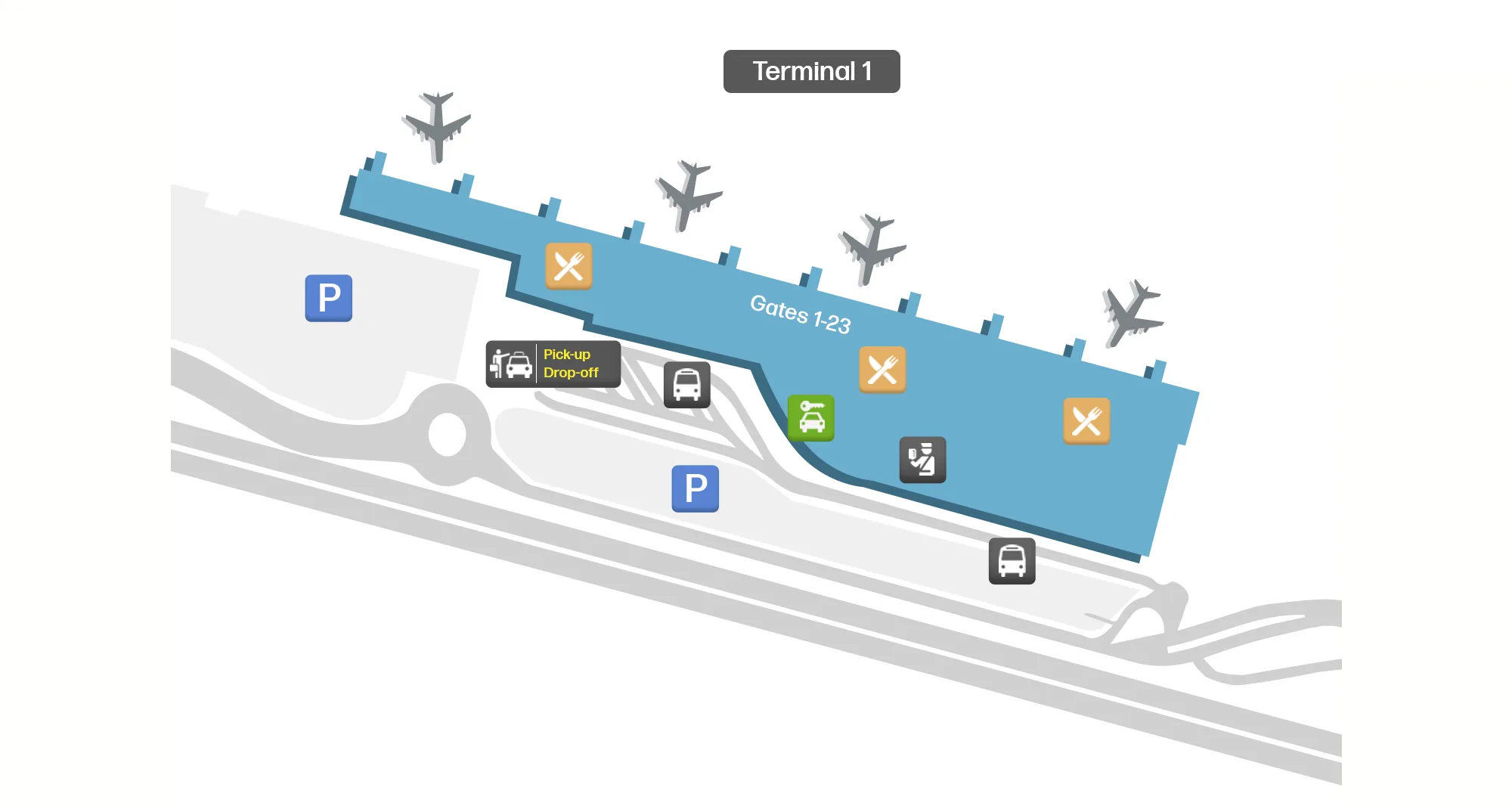
The connection between Orio al Serio and Milan became one of the defining corridors in northern Italian airport transport. Milan's role as an economic, cultural and transport capital means that airport arrivals are rarely local events; they trigger a wider wave of movement through stations, metro lines and hotel districts. As demand grew, coach frequency and service variety expanded to match different traveler priorities.
Some passengers sought the lowest fare, others wanted fewer stops, and many needed flexibility for delayed flights or uncertain meeting times. Operators responded with layered offerings: standard shared services, premium variants and, increasingly, private transfer alternatives. This service diversification turned the route from a single bus concept into a genuine mobility marketplace.
Digital booking changed passenger behavior
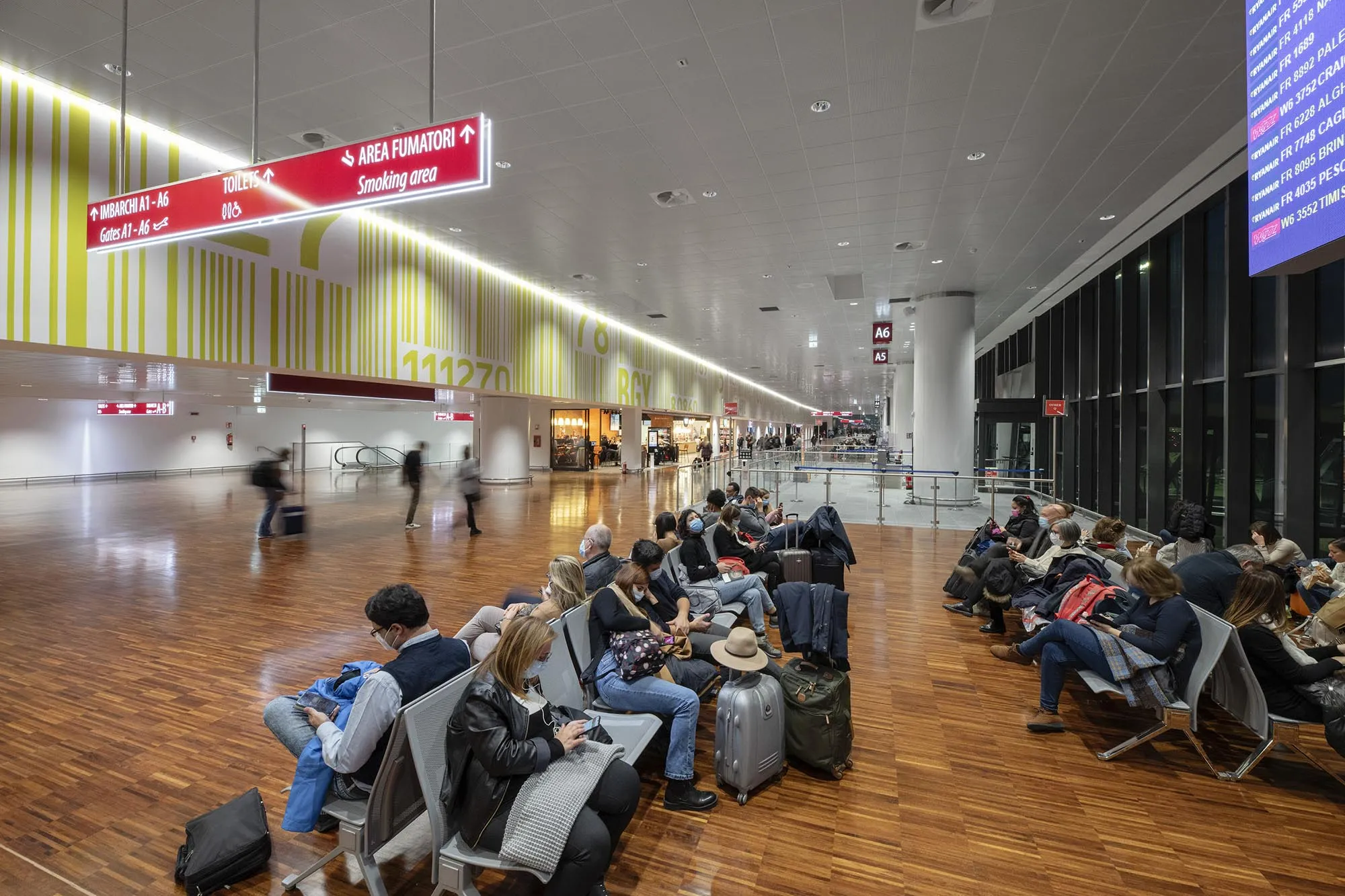
Digital ticketing transformed how people approach airport transfers. Travelers now compare options before departure, secure seats in minutes, and arrive with QR codes ready. This reduces decision fatigue at arrivals and lowers the risk of overpaying in a hurry. It also improves operator planning because pre-booked demand provides clearer signals for staffing and fleet allocation.
From the passenger perspective, the biggest shift is psychological. When transfer logistics are solved in advance, arrival feels calmer. Instead of searching signs while tired from a flight, you already know your provider, departure point and expected journey window. That small certainty can dramatically improve the first impression of a destination.
Private transfers and premium convenience

Private transfer services grew alongside shared shuttles, not as a replacement but as a complementary tier. Their value proposition is simple and compelling: direct pickup, luggage support, no intermediate stops, and predictable arrival at your exact address. For families, small groups, travelers with limited mobility, or business visitors on tight schedules, this can justify the higher price immediately.
Technology also improved this segment. Flight tracking, instant driver messaging and secure prepayment reduced uncertainty and made private transfers more transparent than in the past. What was once seen as a luxury add-on is now often treated as a practical decision, especially for late-night landings, winter weather or first-time visitors who want a smooth, guided start.
Crowds, safety and accessibility progress
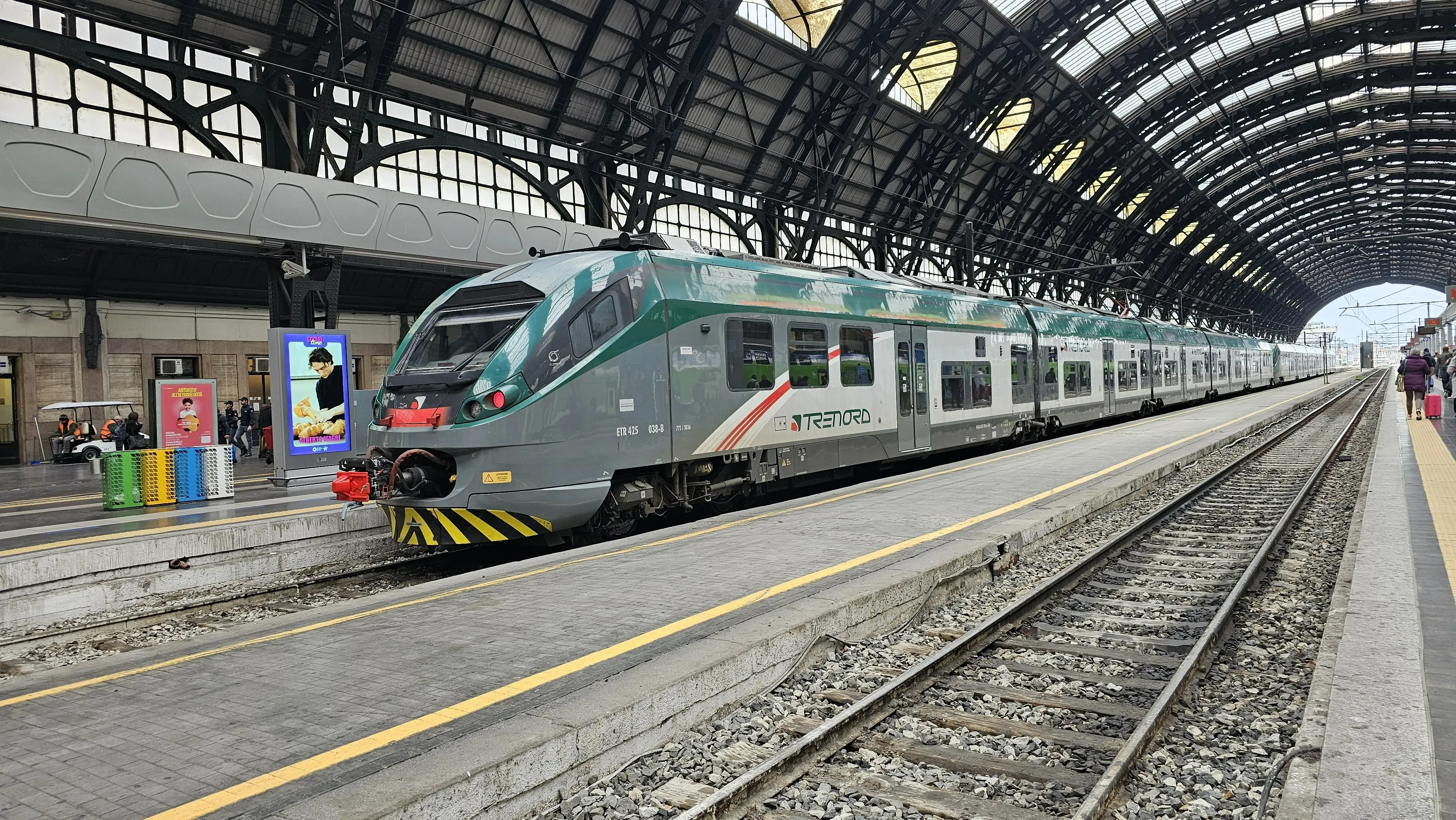
As traffic increased, crowd management and accessibility moved from secondary concerns to core service quality indicators. Clear signage, organized queuing and better platform communication became essential for reducing confusion at peak times. Safety messaging also improved, from luggage handling guidance to platform etiquette and boarding procedures.
Accessibility remains a continuous improvement area, but progress is visible: more providers publish mobility support policies, customer service channels are easier to reach, and travelers can request assistance in advance more reliably than before. The direction is clear, even if implementation still varies by operator and time slot.
Seasonality, events and operational pressure

Airport transfer systems are highly sensitive to seasonality. Summer tourism peaks, holiday departures and major event weekends can push demand far above average levels, testing schedules, queue capacity and loading times. Even when service frequency increases, passenger concentration in narrow time windows can create temporary bottlenecks.
Experienced travelers read these patterns like weather. They pre-book, arrive at boarding points earlier and build timing buffers before onward train departures. Operators increasingly publish advisories during high-pressure periods, but informed passenger behavior still makes a big difference in maintaining a smooth flow for everyone.
Ticketing logic and smarter planning
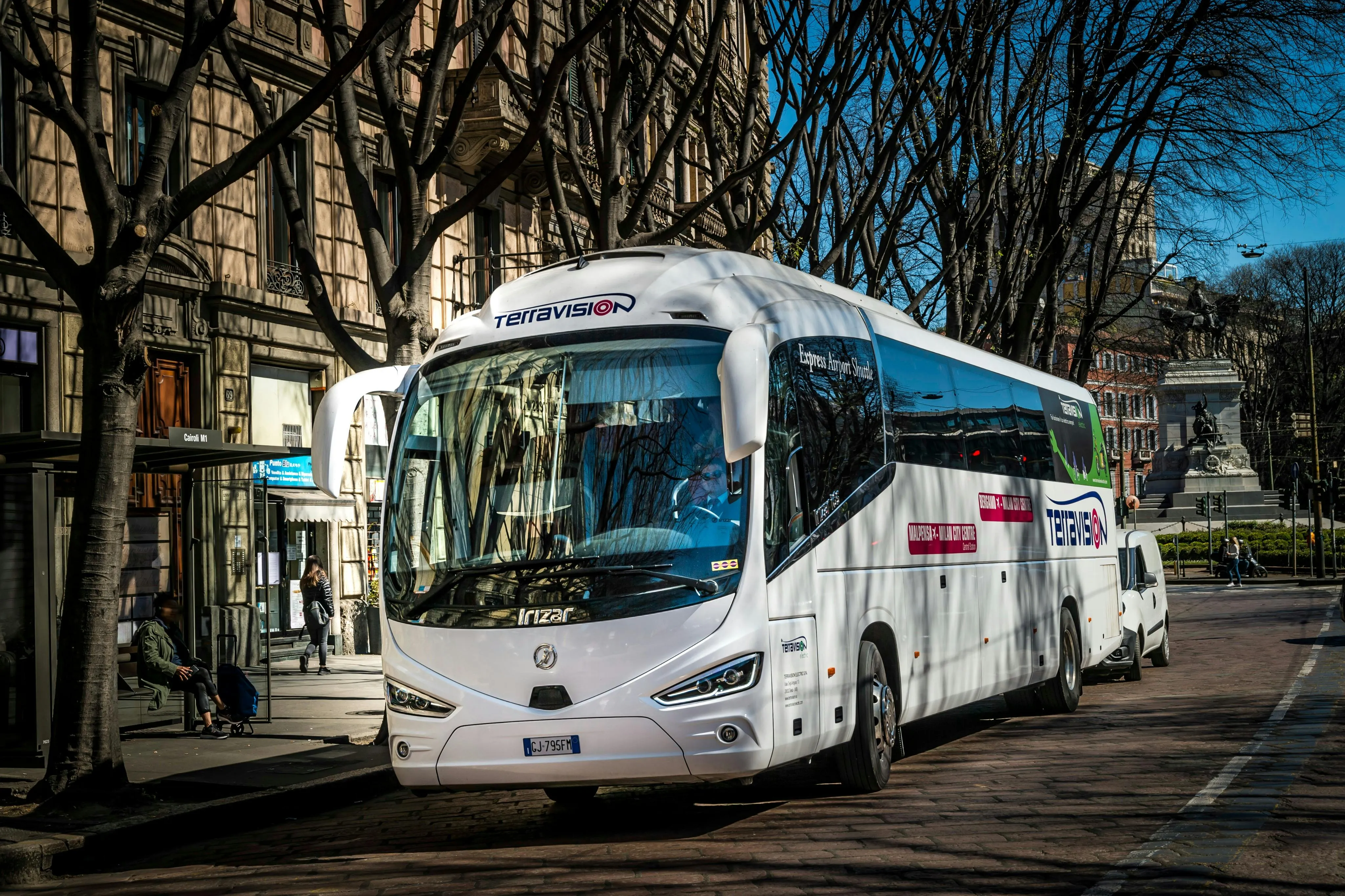
Modern transfer ticketing is more nuanced than it first appears. Fare categories can differ by flexibility, change policy, luggage allowance, destination point and cancellation rules. The cheapest option may be perfect for fixed plans but risky for uncertain arrival times. Slightly higher fares often include flexibility that saves money and stress if flights are delayed.
Smart planning means matching ticket logic to trip reality. If your schedule is tight, prioritize options with clear amendment terms. If you travel light and on a budget, frequent shared shuttles may be ideal. If you are coordinating multiple people, compare private transfer quotes, because group pricing can become surprisingly competitive.
Sustainability and multimodal transport goals
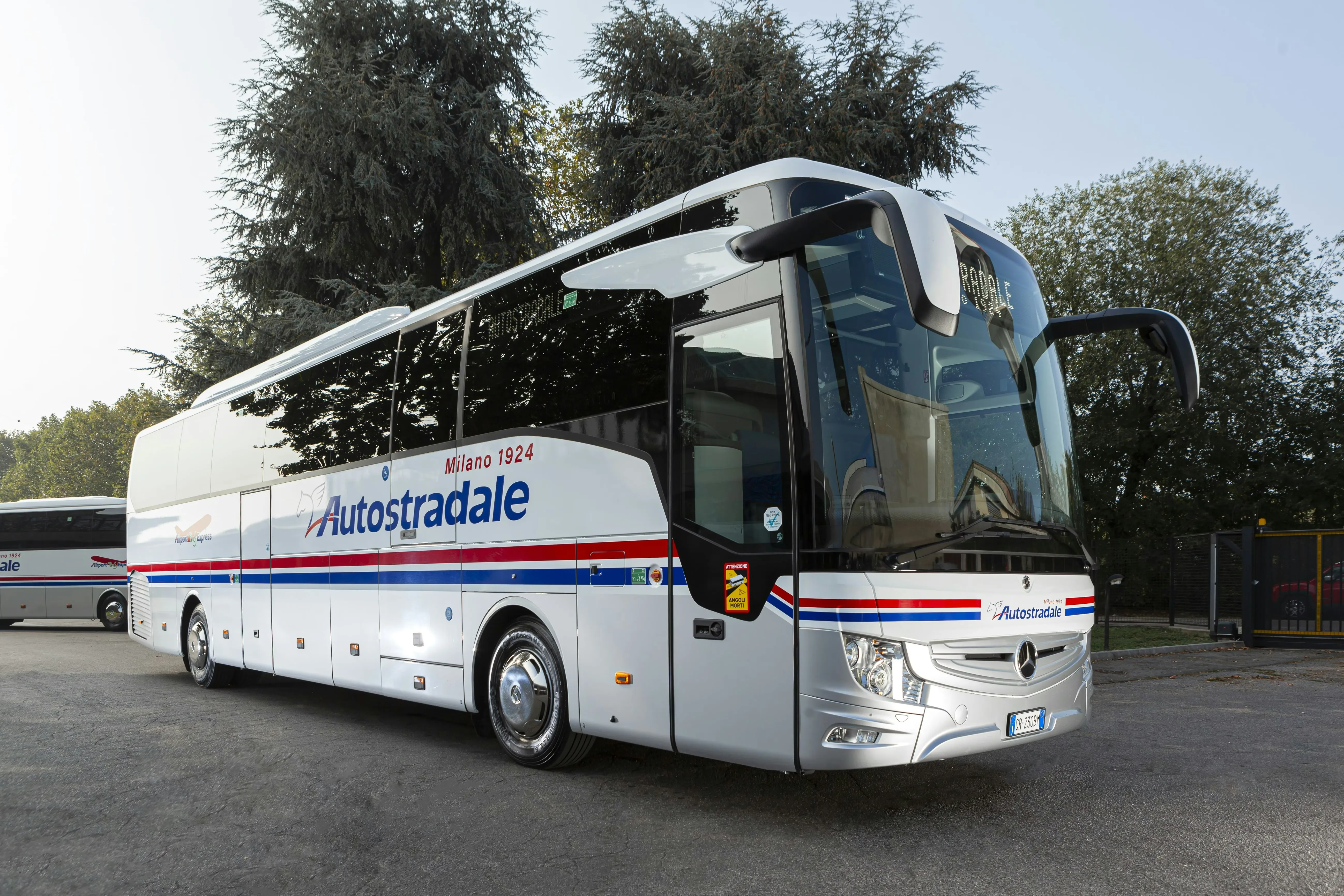
As climate awareness and urban congestion concerns increase, airport transfer policy is increasingly connected to sustainability goals. Efficient shared shuttles, stronger rail integration and coordinated timetables can reduce individual car reliance and improve regional mobility resilience. In this context, transfer planning is not just a convenience issue but part of broader infrastructure strategy.
Travelers also influence outcomes through everyday choices. Choosing shared options when practical, booking responsibly and respecting loading procedures all support smoother operations with lower per-passenger impact. Sustainability at airport scale is built from countless small decisions repeated every day.
Beyond Milan: regional onward connections
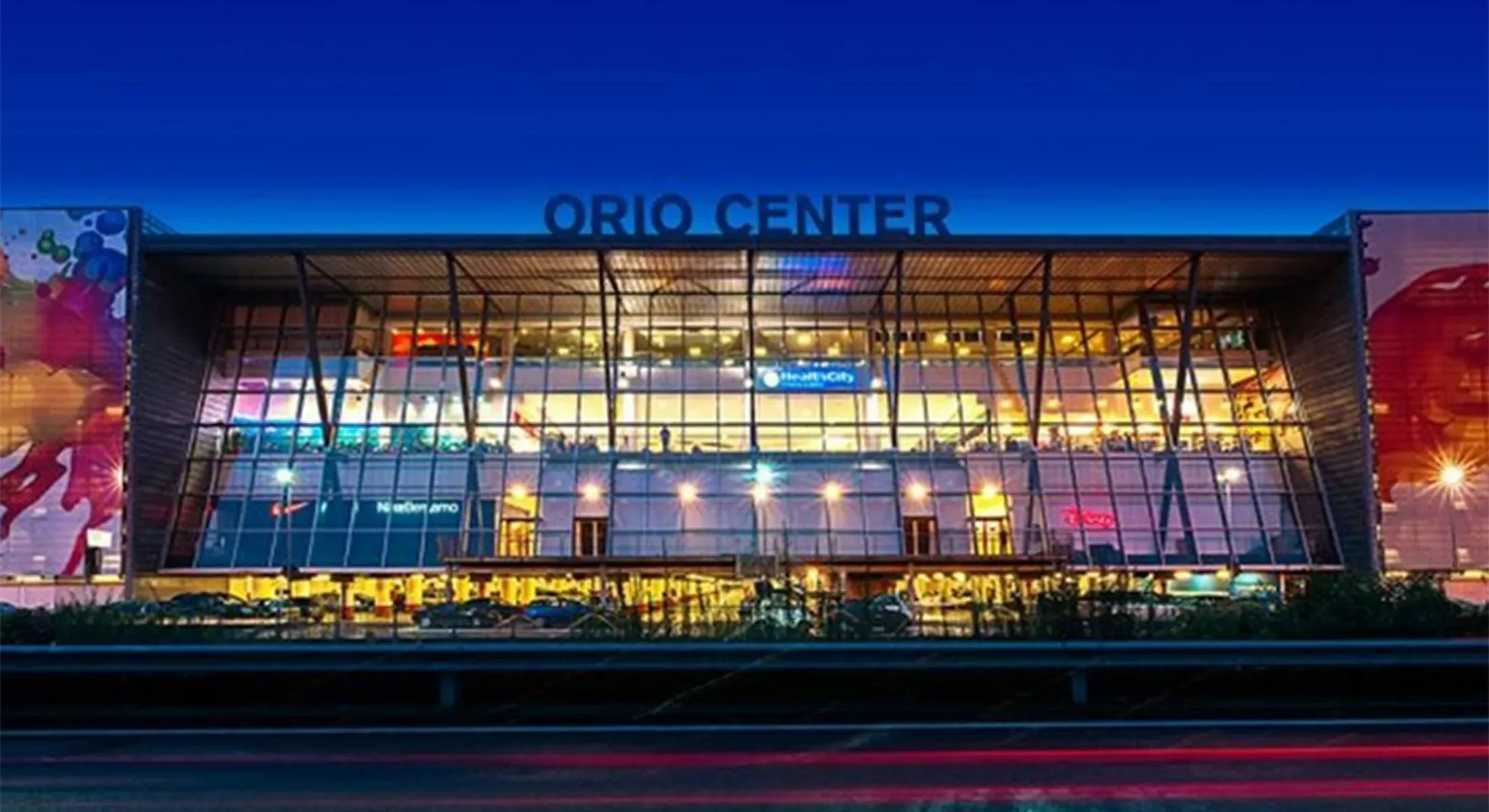
Although Milan dominates demand, many passengers continue toward lakes, alpine towns, industrial districts and university cities across northern Italy. The most effective transfer strategy often combines airport shuttle links with regional trains or pre-arranged final-leg transport. This blended model expands destination choice without requiring a rental car.
For first-time visitors, the key is sequencing: airport to major hub, then onward leg with realistic connection margins. Once this rhythm is understood, Orio al Serio becomes a highly functional starting point for a surprisingly wide geographic range of itineraries, from short city breaks to multi-stop regional journeys.
Why transfer design now defines first impressions

Travelers often remember two moments most vividly: arrival and departure. That is why airport transfer design now carries more emotional weight than many operators acknowledged in the past. A smooth handoff from plane to city creates immediate confidence, while confusion at boarding can overshadow an otherwise excellent trip.
Orio al Serio's evolution shows this clearly. As routes multiplied and service layers matured, transfers became not just a logistical necessity but part of the destination experience itself. When planning is clear, communication honest and execution reliable, the journey feels coherent from the first step outside arrivals to the final drop-off at your door.
Table of Contents
Before low-cost aviation: regional mobility roots
Long before Orio al Serio became a major name on European booking screens, mobility in this part of Lombardy revolved around rail links, local roads and practical regional trade routes. Bergamo and surrounding towns developed as connected but distinct economic spaces, with commuters, students and business travelers relying on layered combinations of buses and trains. Travel was functional, sometimes fragmented, and often shaped by timetables that did not always align perfectly with long-distance needs.
As air travel expanded across Europe, this pre-existing transport fabric became the foundation for future airport transfer systems. What looks straightforward today, board shuttle and reach city center, is actually the result of decades of adaptation. Municipal planning, private operators and passenger behavior slowly converged around a simple reality: an airport can only thrive when ground transport keeps pace with the speed of flight.
The rise of Orio al Serio as a major gateway
Orio al Serio grew quickly as low-cost carriers expanded and northern Italy became even more attractive for tourism, manufacturing and international business. The airport's strategic location near Bergamo and within easy reach of Milan gave it a powerful dual identity: regional airport in geography, major international gateway in function. Passenger numbers rose, route maps widened, and traveler profiles diversified from weekend tourists to remote workers, students and frequent business flyers.
With this growth came pressure on landside operations. Arrivals halls became busier, curb spaces tighter, and transfer expectations higher. Travelers no longer accepted vague directions or uncertain onward options. They wanted clear routes, digital booking, transparent pricing and dependable departure cadence. That demand, repeated millions of times, accelerated the modernization of shuttle and transfer services around BGY.
How early airport coaches shaped travel habits
The first widely adopted airport coach links were more than simple buses; they became behavioral anchors for how people planned flights. Knowing that a reliable coach would connect airport and city center made certain departure times feasible and opened the airport to travelers who did not drive. This changed trip planning patterns, especially for students and budget-conscious passengers who valued predictable cost over private convenience.
Over time, operators refined schedules around flight waves, improved luggage handling and standardized boarding points. These practical details matter. A transfer is often the very first and very last chapter of a journey, and even small frictions can color the whole travel experience. The more consistent the coach service became, the more Orio al Serio felt accessible and easy to use, even for first-time arrivals.
Bergamo station as the key transfer hinge
Bergamo station emerged as a strategic hinge in the airport mobility ecosystem. For many travelers, the airport-to-station shuttle is not the final ride but the critical first leg that unlocks the rest of the Italian rail network. From this node, passengers can continue efficiently toward Milan, Brescia, Verona and other destinations, often with short transfer times when schedules align well.
This intermodal logic has practical advantages. Instead of forcing all demand into direct long-distance coach services, the system distributes passengers through a flexible network. It allows operators to maintain high-frequency short links while rail handles broader dispersion. The result is a transport chain that can absorb fluctuations better, provided travelers understand how to sequence tickets and timing.
The Milan connection and demand acceleration
The connection between Orio al Serio and Milan became one of the defining corridors in northern Italian airport transport. Milan's role as an economic, cultural and transport capital means that airport arrivals are rarely local events; they trigger a wider wave of movement through stations, metro lines and hotel districts. As demand grew, coach frequency and service variety expanded to match different traveler priorities.
Some passengers sought the lowest fare, others wanted fewer stops, and many needed flexibility for delayed flights or uncertain meeting times. Operators responded with layered offerings: standard shared services, premium variants and, increasingly, private transfer alternatives. This service diversification turned the route from a single bus concept into a genuine mobility marketplace.
Digital booking changed passenger behavior
Digital ticketing transformed how people approach airport transfers. Travelers now compare options before departure, secure seats in minutes, and arrive with QR codes ready. This reduces decision fatigue at arrivals and lowers the risk of overpaying in a hurry. It also improves operator planning because pre-booked demand provides clearer signals for staffing and fleet allocation.
From the passenger perspective, the biggest shift is psychological. When transfer logistics are solved in advance, arrival feels calmer. Instead of searching signs while tired from a flight, you already know your provider, departure point and expected journey window. That small certainty can dramatically improve the first impression of a destination.
Private transfers and premium convenience
Private transfer services grew alongside shared shuttles, not as a replacement but as a complementary tier. Their value proposition is simple and compelling: direct pickup, luggage support, no intermediate stops, and predictable arrival at your exact address. For families, small groups, travelers with limited mobility, or business visitors on tight schedules, this can justify the higher price immediately.
Technology also improved this segment. Flight tracking, instant driver messaging and secure prepayment reduced uncertainty and made private transfers more transparent than in the past. What was once seen as a luxury add-on is now often treated as a practical decision, especially for late-night landings, winter weather or first-time visitors who want a smooth, guided start.
Crowds, safety and accessibility progress
As traffic increased, crowd management and accessibility moved from secondary concerns to core service quality indicators. Clear signage, organized queuing and better platform communication became essential for reducing confusion at peak times. Safety messaging also improved, from luggage handling guidance to platform etiquette and boarding procedures.
Accessibility remains a continuous improvement area, but progress is visible: more providers publish mobility support policies, customer service channels are easier to reach, and travelers can request assistance in advance more reliably than before. The direction is clear, even if implementation still varies by operator and time slot.
Seasonality, events and operational pressure
Airport transfer systems are highly sensitive to seasonality. Summer tourism peaks, holiday departures and major event weekends can push demand far above average levels, testing schedules, queue capacity and loading times. Even when service frequency increases, passenger concentration in narrow time windows can create temporary bottlenecks.
Experienced travelers read these patterns like weather. They pre-book, arrive at boarding points earlier and build timing buffers before onward train departures. Operators increasingly publish advisories during high-pressure periods, but informed passenger behavior still makes a big difference in maintaining a smooth flow for everyone.
Ticketing logic and smarter planning
Modern transfer ticketing is more nuanced than it first appears. Fare categories can differ by flexibility, change policy, luggage allowance, destination point and cancellation rules. The cheapest option may be perfect for fixed plans but risky for uncertain arrival times. Slightly higher fares often include flexibility that saves money and stress if flights are delayed.
Smart planning means matching ticket logic to trip reality. If your schedule is tight, prioritize options with clear amendment terms. If you travel light and on a budget, frequent shared shuttles may be ideal. If you are coordinating multiple people, compare private transfer quotes, because group pricing can become surprisingly competitive.
Sustainability and multimodal transport goals
As climate awareness and urban congestion concerns increase, airport transfer policy is increasingly connected to sustainability goals. Efficient shared shuttles, stronger rail integration and coordinated timetables can reduce individual car reliance and improve regional mobility resilience. In this context, transfer planning is not just a convenience issue but part of broader infrastructure strategy.
Travelers also influence outcomes through everyday choices. Choosing shared options when practical, booking responsibly and respecting loading procedures all support smoother operations with lower per-passenger impact. Sustainability at airport scale is built from countless small decisions repeated every day.
Beyond Milan: regional onward connections
Although Milan dominates demand, many passengers continue toward lakes, alpine towns, industrial districts and university cities across northern Italy. The most effective transfer strategy often combines airport shuttle links with regional trains or pre-arranged final-leg transport. This blended model expands destination choice without requiring a rental car.
For first-time visitors, the key is sequencing: airport to major hub, then onward leg with realistic connection margins. Once this rhythm is understood, Orio al Serio becomes a highly functional starting point for a surprisingly wide geographic range of itineraries, from short city breaks to multi-stop regional journeys.
Why transfer design now defines first impressions
Travelers often remember two moments most vividly: arrival and departure. That is why airport transfer design now carries more emotional weight than many operators acknowledged in the past. A smooth handoff from plane to city creates immediate confidence, while confusion at boarding can overshadow an otherwise excellent trip.
Orio al Serio's evolution shows this clearly. As routes multiplied and service layers matured, transfers became not just a logistical necessity but part of the destination experience itself. When planning is clear, communication honest and execution reliable, the journey feels coherent from the first step outside arrivals to the final drop-off at your door.